Grow Tech for Small Cannabis Grow Tents: Best Tools Under $250
Published September 4, 2026
Small cannabis grow tents do not need a lab-grade hardware stack. They need a few tools that make the grow easier to see, easier to diagnose, and easier to keep consistent. Under $250, the best choices are the tools that change daily decisions: a close-up plant camera, a room environment monitor, a soil moisture and pH meter, a free VPD calculator, and a simple place to connect photos, notes, readings, diagnosis, and tasks.
The budget matters because small tents punish guesswork quickly. A 2x2 or 3x3 tent can swing from comfortable to stressful faster than a larger room. Pots dry unevenly, humidity spikes after lights-off, leaves hide early pest damage, and one missed watering can make a healthy plant look confusing by the next day.
This guide shows the best cannabis grow tech under $250 for small tents, what to buy first, when each tool is worth it, and how MasterGrowbot Grow Tech can work on its own or with MasterGrowbot AI to support better evidence, better timing, fewer avoidable mistakes, stronger consistency, and improved grow potential.
Direct Answer: Best Small Tent Grow Tech Under $250
For most small cannabis grow tents, the best grow tech under $250 is a close-up plant camera, a temperature and humidity monitor, a soil moisture and pH meter, the free cannabis VPD calculator, and MasterGrowbot AI for connected photos, notes, readings, diagnosis, and tasks.
Start with visibility before automation. A clear photo, room reading, and root-zone check usually improve decisions more than a controller that automates a poorly understood grow. Compare hardware on MasterGrowbot Grow Tech, then use the grow guides hub when a reading or symptom needs context.
Best Under $250 Buying Path
| Priority | Tool | Best Use in a Small Tent |
|---|---|---|
| 1 | Close-up plant camera | Sharper diagnosis photos, pest scouting, bud checks, and trichome records |
| 2 | Temperature and humidity monitor | Finding heat spikes, lights-off humidity, and mold risk |
| 3 | Soil moisture and pH meter | Checking watering and root-zone clues before feeding changes |
| 4 | VPD calculator | Turning temperature and humidity into plant stress context |
| 5 | MasterGrowbot AI | Keeping scans, readings, notes, and follow-up tasks in one workflow |
If the budget is tight, buy the tool that answers your most repeated question. Blurry symptoms point to a camera. Mystery droop points to moisture and pH. Mold or heat concern points to environment monitoring and VPD.
Why Small Tents Need Better Evidence
Small tents change quickly. Lights are close to the canopy, fans are close to leaves, pots are often smaller, and one humid night can raise mold pressure inside dense flower. That does not mean every grower needs expensive automation. It means each decision should be based on better evidence.
A plant camera helps you see the leaf surface, pest damage, trichomes, and bud condition. An environment monitor helps you notice whether stress is happening during the hottest or most humid part of the day. A soil meter helps you avoid watering again when the lower root zone is still wet.
The practical goal is not to collect numbers for their own sake. The goal is to prevent avoidable mistakes: watering by calendar, feeding before checking pH, guessing at humidity risk, or scanning a blurry photo and trusting the result too much.
What to Buy First by Grow Problem
| Problem | Buy First | Why It Helps |
|---|---|---|
| Leaf spots or pest suspicion | Close-up plant camera | Shows texture, undersides, stippling, webbing, and symptom edges |
| Humidity spikes in flower | Environment monitor | Reveals risky lights-off periods and ventilation gaps |
| Droop after watering | Soil moisture meter | Checks whether roots need water, oxygen, or more dry-back |
| Deficiency-like symptoms | pH and soil health tool | Separates missing nutrients from uptake problems |
| Curling, taco leaves, or stalled growth | Environment monitor plus VPD | Connects visible stress to heat, dry air, or humidity imbalance |
For a broader comparison, read Best Cannabis Grow Tech for Home Growers and Cannabis Grow Tech Kit.
A Practical Small Tent Workflow
Check the plant first. Take one whole-plant photo, one close-up of the symptom or bud site, and one underside leaf photo if pests are possible. If harvest timing is close, add a trichome photo from the calyxes, not only sugar leaves.
Check the room second. Record temperature, humidity, and whether the reading came from canopy height or outside the tent. Use the VPD calculator when leaves look curled, dry, slow, or stressed, especially during veg and flower transitions.
Check the root zone third. Test moisture in more than one pot zone. If pH or fertility context is available, log it before changing feed strength. Small pots can dry at the edge while staying wet deeper down, so one shallow reading can mislead you.
Then scan and log the issue in MasterGrowbot AI. The strongest workflow is photo, reading, note, diagnosis, task, and follow-up result. That sequence makes the next decision easier because you can compare what changed instead of relying on memory.
Standalone Hardware vs MasterGrowbot AI Workflow
MasterGrowbot Grow Tech hardware is useful for cannabis growers of all types, garden sizes, budgets, and experience levels, including small tents and starter setups. The hardware can be used on its own without the MasterGrowbot AI app to improve grow visibility, decision-making, photo consistency, and record quality.
In a small tent, standalone hardware gives you better evidence: sharper photos before diagnosis, room readings before ventilation changes, and root-zone checks before watering or feeding. That can support better timing, fewer avoidable mistakes, stronger consistency, and improved potential without promising guaranteed outcomes.
Pairing the hardware with MasterGrowbot AI can enhance results because photos, sensor readings, root-zone data, notes, diagnosis, and tasks stay connected in one workflow. Download MasterGrowbot AI on iOS or Android when you want small tent photos, readings, diagnosis, notes, and follow-up tasks in the same place.
Small Tent Tool Mistakes to Avoid
| Mistake | Why It Hurts | Better Choice |
|---|---|---|
| Buying automation before sensors | The controller may automate the wrong target | Measure the room and root zone first |
| Trusting grow light color photos | Color cast hides symptom detail | Use neutral light and a steady close-up photo |
| Measuring humidity outside the tent only | Canopy humidity can be much different | Place readings near canopy height when possible |
| Watering by schedule | Small containers change with plant size and room conditions | Use pot weight, moisture checks, and plant posture together |
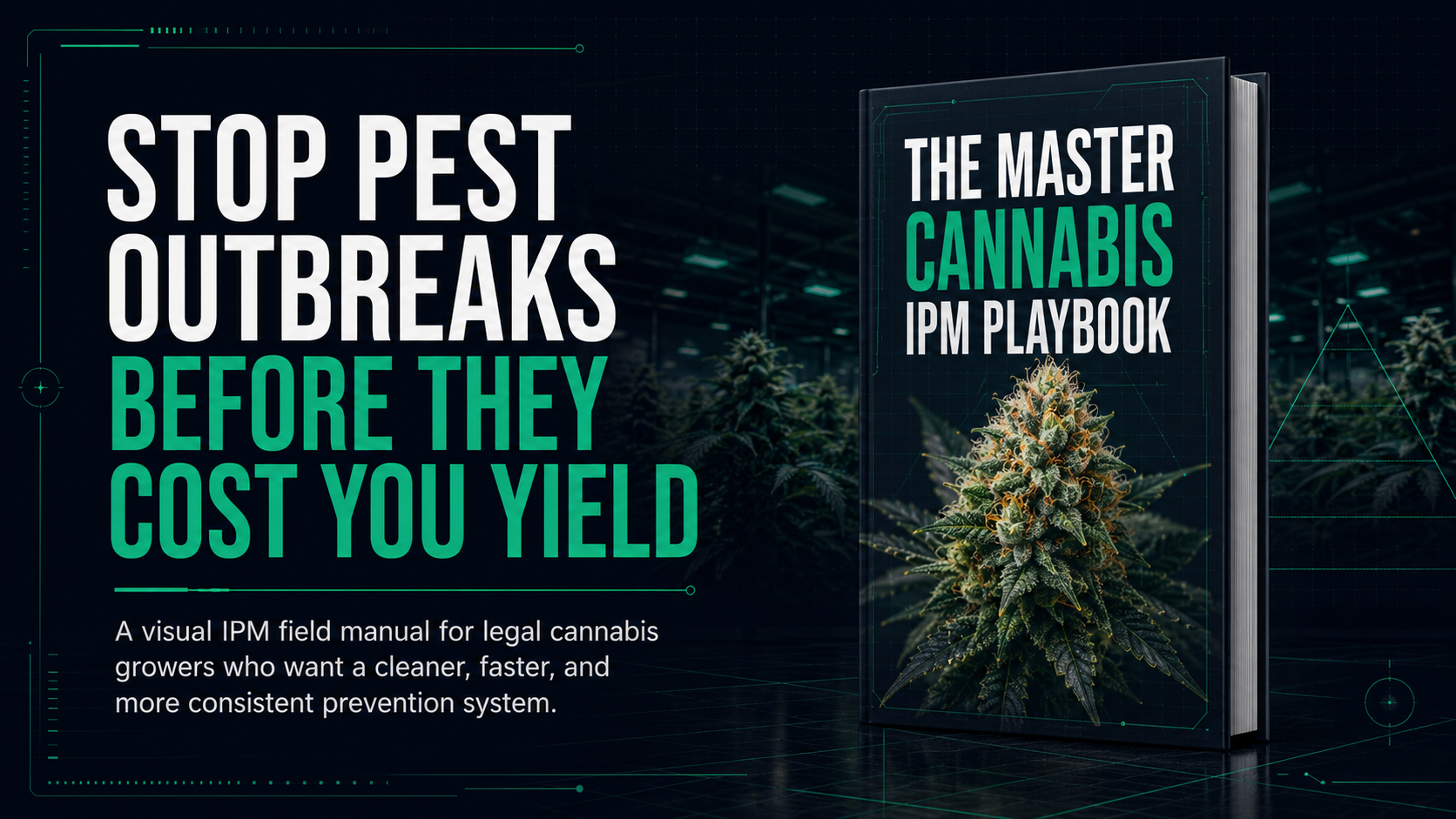
If pest or disease pressure keeps returning in a small tent, pair better inspection with the Master Cannabis IPM Playbook on Amazon so scouting, sanitation, and prevention stay part of the same routine.
Best Next Step Under $250
If you are starting from scratch, build the kit in this order: close-up plant camera, environment monitor, soil moisture and pH meter, VPD calculator, and MasterGrowbot AI. That stack gives most small tent growers better photos, better room context, better watering evidence, and better follow-through without overspending.
For adjacent workflows, compare grow room sensors for mold and heat stress, soil moisture and pH meters, and better cannabis diagnosis photos.
Download MasterGrowbot AI: Free 3-Day Trial
Explore MasterGrowbot AI for plant photos, journal notes, and daily tasks. Check your app store for current trial eligibility and subscription terms.
Save Your Grow from Pests & Diseases
Use The Master Cannabis IPM Playbook as your weekly pest and disease prevention system.
View the book on AmazonThe Master Cannabis IPM Playbook
A visual IPM field manual for legal cannabis growers who want cleaner prevention, faster scouting, and better grow documentation.
The Master Cannabis IPM Playbook for legal growers